Exploring Kanchipuram’s Innovative Temples in a Day: A Spiritual and Architectural Journey
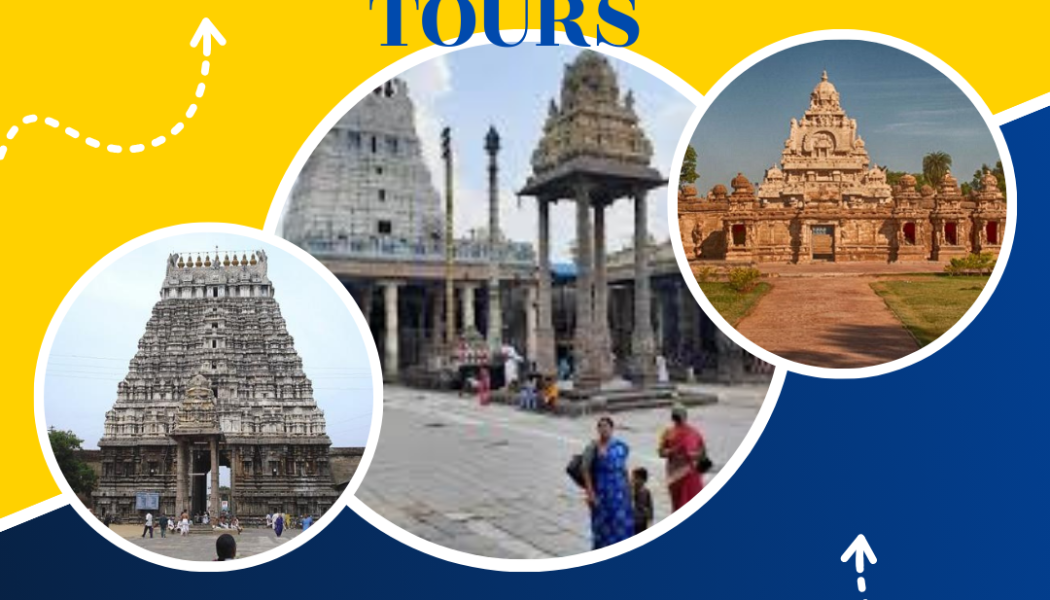
Nestled in the heart of Tamil Nadu, Kanchipuram, often called the “City of a Thousand Temples,” is a sacred destination that seamlessly blends spiritual devotion with architectural ingenuity. While many travelers flock to Kanchipuram to witness its grand temples, few realize that these monuments are not just relics of the past but also testaments to innovation. From pioneering construction techniques to unique artistic expressions, Kanchipuram’s temples offer a fascinating glimpse into India’s rich creative heritage. Here’s a curated guide to the most innovative temples you must visit in a single day.
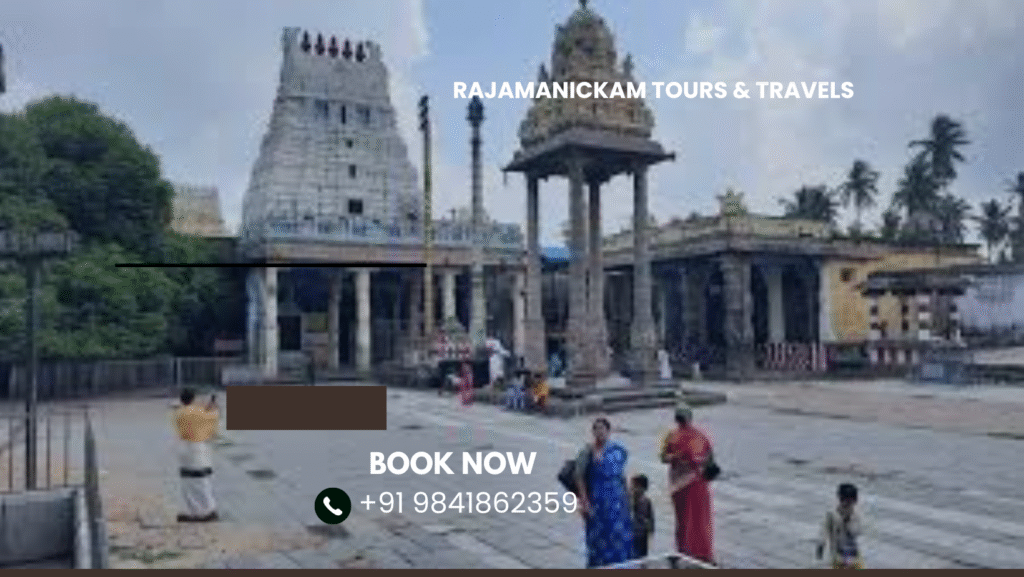
The Vaigunda Perumal Temple, also known as Thiruvaikunda Vinnagaram, is one of the 108 Divya Desams—sacred Vishnu temples revered in the Tamil hymns of the Alvars (saints) in Tamil Nadu. It is located in Kanchipuram, a historically and spiritually significant city in the Chengalpattu district of Tamil Nadu, India.
Key Details:
- Deity: The main deity (Moolavar) is Vaikunta Perumal (a form of Lord Vishnu), seated in a unique sitting posture facing west.
- Consort: The goddess (Thayar) is known as Amruthavalli or Perundevi Thayar.
- Temple Name: Thiruvaikunda Vinnagaram (meaning “the divine abode of Vaikuntam”).
- Location: Kanchipuram, Tamil Nadu, India.
- Architectural Style: Dravidian architecture, dating back to the Pallava dynasty, with later additions by the Cholas and Vijayanagara rulers.
- Significance: One of the 14 Divya Desams in Kanchipuram, which is considered a holy city for both Vaishnavites and Shaivites.
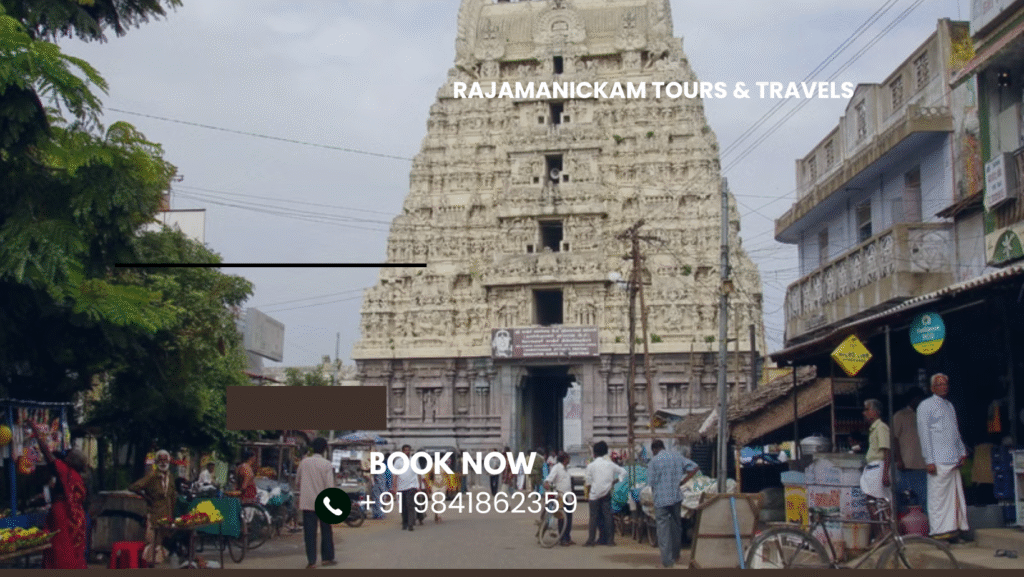
The Kamakshi Amman Temple in Kanchipuram, Tamil Nadu, is one of the most revered and significant religious sites in South India, especially in the tradition of Shaktism (worship of the Divine Feminine). Dedicated to Goddess Kamakshi, a form of Parvati, the temple holds a prominent place among the Shakti Peethas, which are considered the most sacred shrines of the Goddess in Hinduism.
Key Facts About Kamakshi Amman Temple, Kanchipuram:
📍 Location
- Kanchipuram, Tamil Nadu, India
- Part of the ancient holy city known as the “City of a Thousand Temples”
- Situated near other famous temples like the Ekambareswarar Temple (dedicated to Lord Shiva)
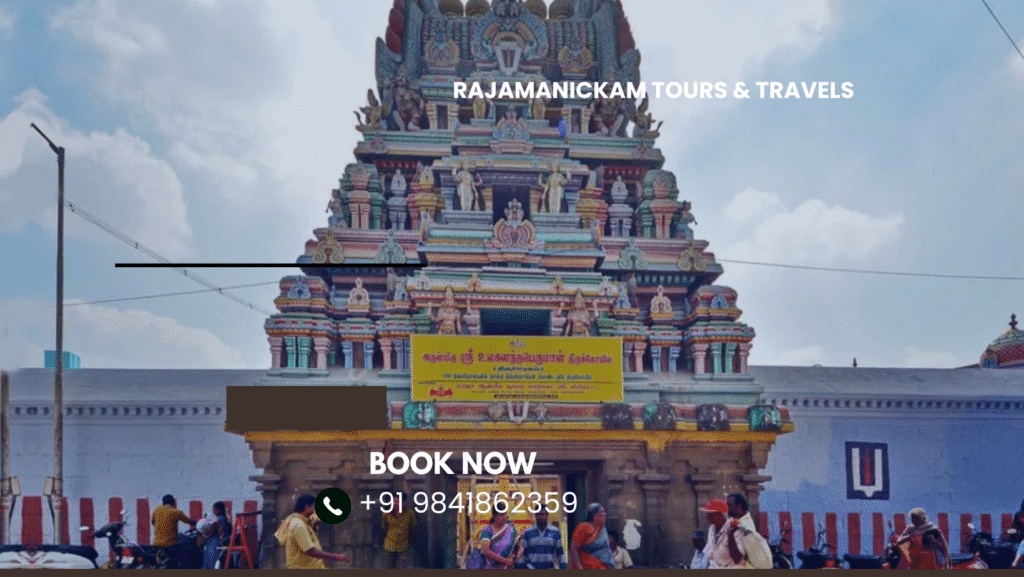
The Ulagalandha Perumal Temple in Kanchipuram, Tamil Nadu, is a revered Vaishnavite shrine dedicated to Lord Vishnu in his form of Ulagalandha Perumal (“The King who holds the world”). Nestled in the ancient city of Kanchipuram, celebrated as “the city of a thousand temples,” this temple is one of the 108 Divya Desams, sacred sites for Vishnu worship as per the Alvars’ hymns. Though not part of the Pancha Bootha Stalas, it is significant for its devotion to Vishnu and intricate Dravidian architecture.
History & Architecture:
Constructed during the Pallava dynasty (7th–9th century CE), the temple showcases classical Dravidian design with a towering vimana (inner sanctum), mandapas (pillared halls), and simple gopurams (gateway towers). The structure has seen expansions by later rulers like the Cholas and Vijayanagar kings. The main shrine enshrines Vishnu in Ulagalandha form, depicted reclining or standing with a broad chest, symbolizing
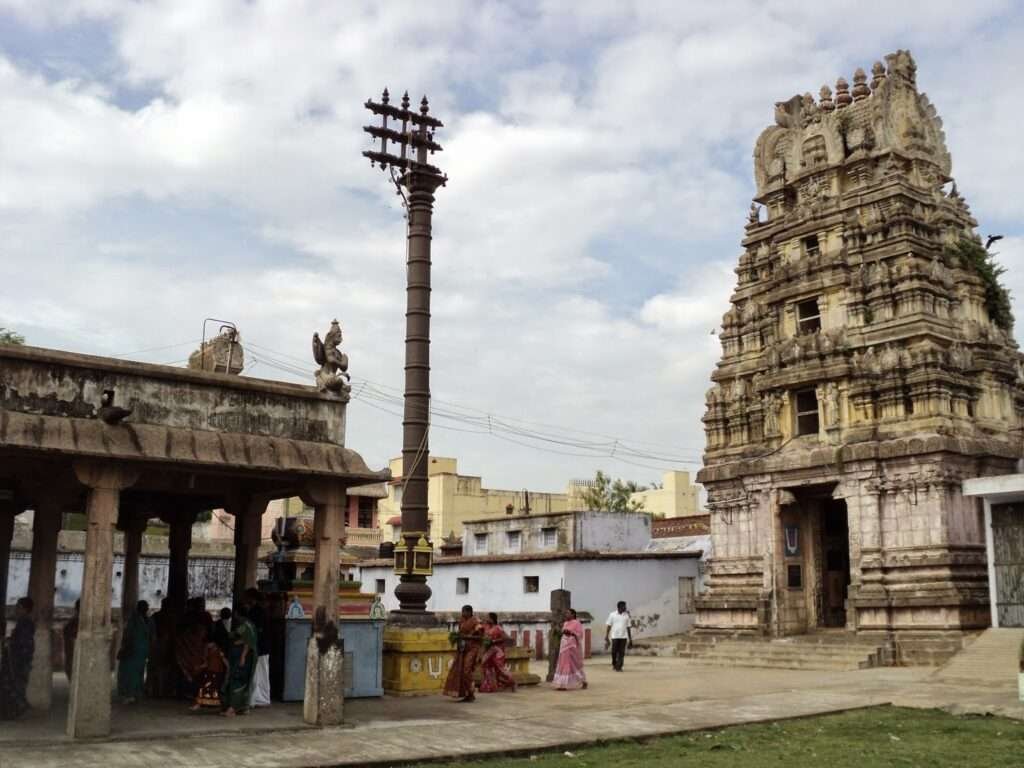
The Pandava Thootha Perumal Temple is a historic and spiritually significant Hindu temple located in Kanchipuram (Kanchi), Tamil Nadu. Dedicated to Lord Vishnu in the form of Pandava Thootha Perumal, it is closely associated with the Pandavas of the Mahabharata and is one of the many temples in Kanchipuram that highlight the town’s rich Vaishnavite heritage. Below is a detailed overview:
1. Deities and Significance
- Presiding Deity: Lord Pandava Thootha Perumal, a form of Vishnu (also known as Thootha Perumal, meaning “Perumal of the Blackness,” with “Thootha” referring to the dark complexion of the deity or a mythological event).
- Consorts: The temple likely enshrines Devaki and Subhadra, consorts of Vishnu/ Krishna.
- Mythological Connection:
- The temple is linked to the Pandavas’ visit during their exile. According to legend, they performed penance here to atone for the sin of killing their relatives in the Mahabharata war.
2. Architecture and History
- Architectural Style: Dravidian style, with a small gopuram (tower), inner sanctum, and mandapams (halls). The structure reflects influences from the Pallava and Chola dynasties (1st–12th centuries CE).
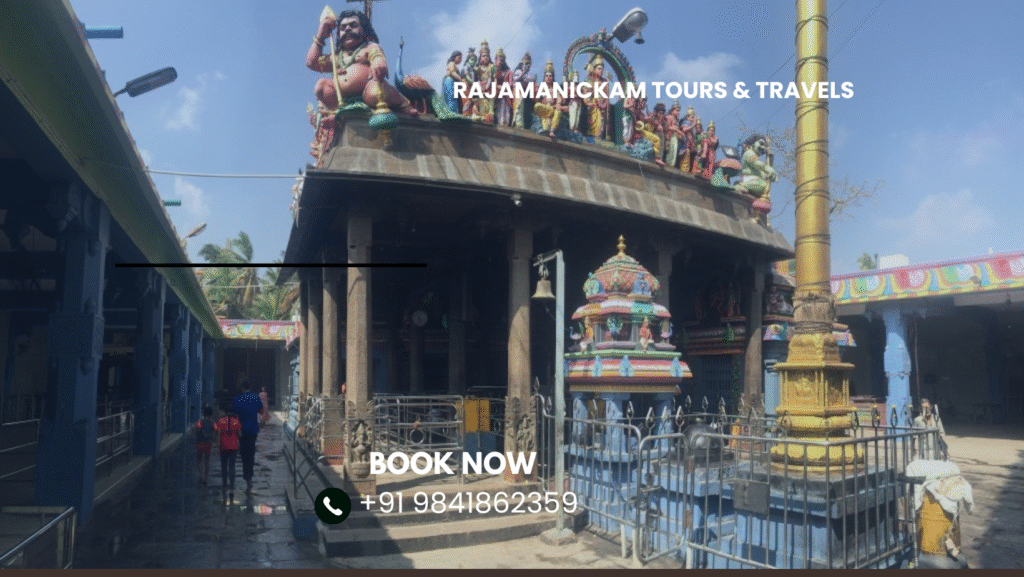
the Kumarakottam Temple is actually located in Kanchipuram’s twin city, Kanchipuram (historic) vs. modern Kanchipuram, but more accurately — Kumarakottam Temple is in Kanchipuram, Tamil Nadu, and it is a well-known temple dedicated to Lord Murugan (Kartikeya).
✅ Yes — there IS a Murugan Temple in Kanchipuram called Kumarakottam Temple.
Key Details:
- Deity: Lord Murugan (also called Kumara, Subramanya)
- Temple Name: Kumarakottam Temple
- Location: Kanchipuram, Tamil Nadu, India
- Significance: One of the important Murugan temples in Tamil Nadu, especially revered in the Shaiva and Smarta traditions.
- Architecture: Built in Dravidian style, with intricate carvings.
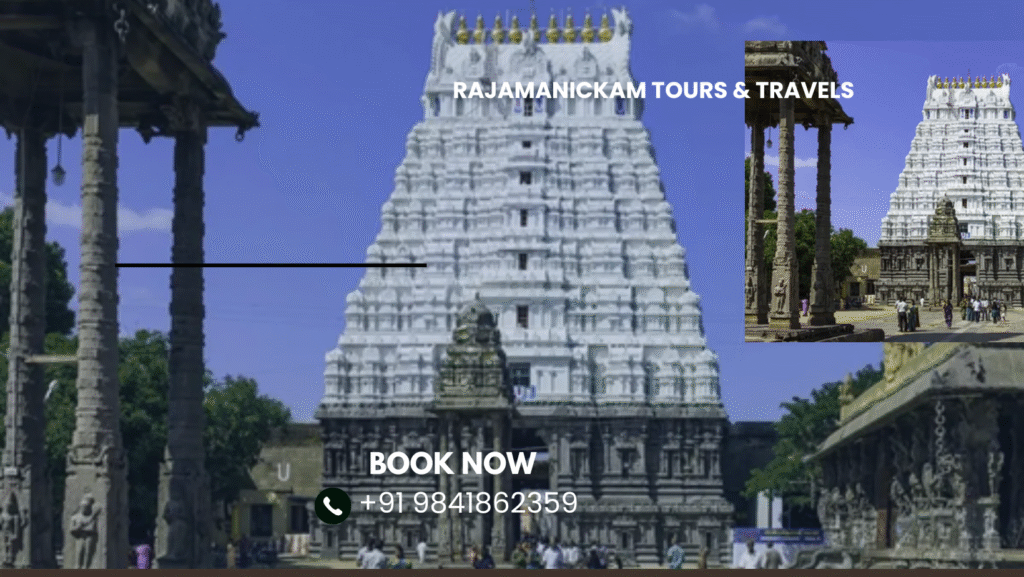
The Kanchipuram Ekambareswarar Temple is a historic Hindu temple dedicated to Lord Shiva, located in Kanchipuram, Tamil Nadu, India. Here are some key facts about the temple:
History: The temple is believed to have been built during the Pallava dynasty in the 7th century AD, with subsequent additions and renovations made by the Chola and Vijayanagara dynasties.
Architecture: The temple complex covers an area of around 20 acres and features a unique blend of Pallava, Chola, and Vijayanagara architectural styles. The temple’s main shrine is surrounded by a massive wall, with four entrance gates (gopurams) that lead to the inner sanctum.
Deities: The temple is dedicated to Lord Shiva, who is worshipped as Ekambareswarar (the Lord of the Mango Tree). The temple also houses shrines for other deities, including Parvati, Subramanya, and Ganapati.
Mango Tree: According to legend, a mango tree is said to have grown from a sapling that was planted by the goddess Parvati. The tree is believed to be over 3,500 years old and is still standing today, although it has been supported by pillars to prevent it from collapsing.
Pancha Bhuta Stalam: The Ekambareswarar Temple is one of the Pancha Bhuta Stalams, which are five temples in South India that represent the five elements of nature. This temple represents the element of earth (Prithvi).
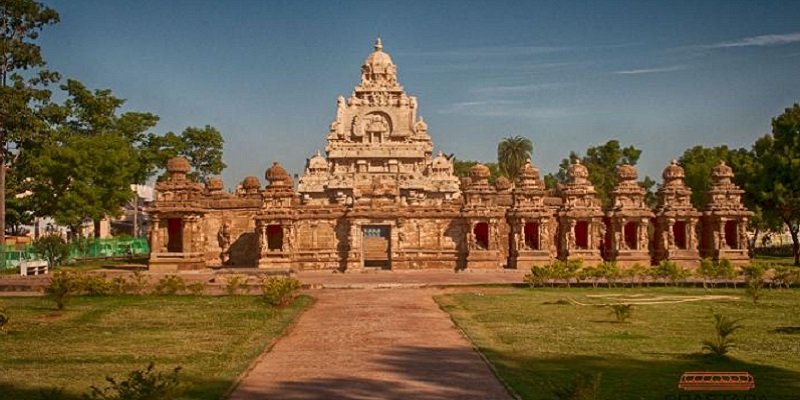
The Kailasanathar Temple in Kanchipuram, Tamil Nadu, is one of the earliest and most significant Dravidian-style temples dedicated to Lord Shiva. Here’s a detailed overview:
Historical Background
- Era & Builder: Constructed in the 8th century CE during the reign of King Rajasimha I (a Pallava ruler), it is considered the oldest surviving Shiva temple in South India.
- Cultural Context: It marks a transition in South Indian temple architecture—from rock-cut caves (like those in Mahabalipuram) to free-standing stone temples, influencing later Dravidian styles.
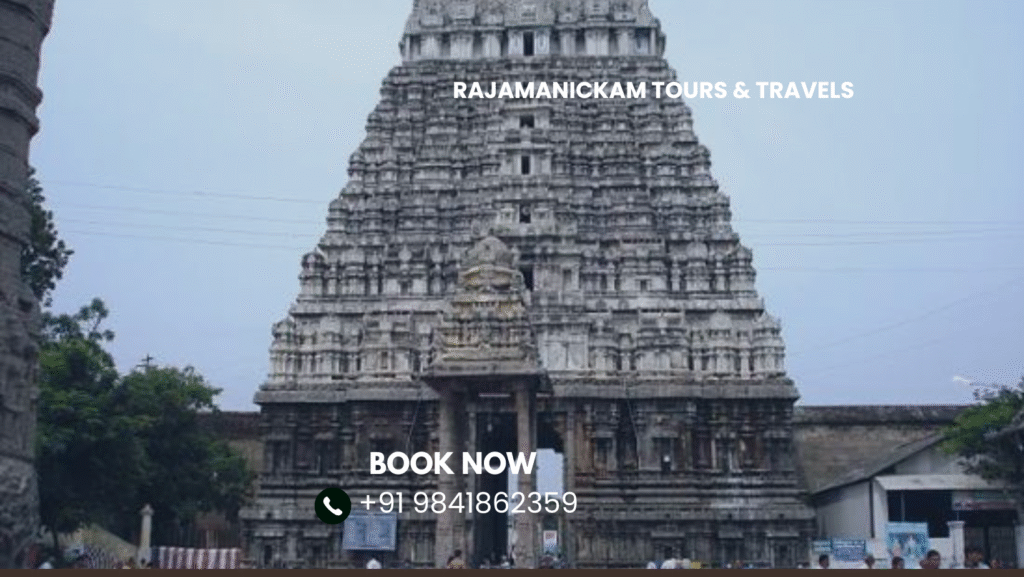
The Kanchipuram Varadharaja Perumal Temple, also known as Varadharaja Perumal Temple or Hastagiri Temple, is one of the most important and sacred Vaishnavite temples in India. Located in Kanchipuram, Tamil Nadu, it is dedicated to Lord Vishnu, who is worshipped here in the form of Varadharaja Perumal—a benevolent form meaning “King who bestows boons.”
Key Facts:
- Location: Kanchipuram, Tamil Nadu, India
- Deity: Lord Vishnu as Varadharaja Perumal (along with his consort, Perundevi Thayar – a form of Goddess Lakshmi)
- Architecture: Dravidian style
- Significance: One of the 108 Divya Desams—holy abodes of Vishnu glorified in the Naalayira Divya Prabandham, the Tamil Vaishnava canon composed by the Alvar saints (6th–9th centuries CE)
- Presiding Deity: Moolavar – Varadharaja Perumal (in standing posture, with four arms, facing west)
- Utsavar (Processional Deity): Devarajaswami

There is no well-known or historically recognized temple dedicated to Chitragupta in Kanchipuram.
Chitragupta is a significant deity in Hindu mythology, known as the divine record-keeper of human deeds. He is often associated with Yama, the god of death, and is responsible for maintaining records of people’s actions (good and bad) to determine their fate in the afterlife. While Chitragupta is occasionally worshipped—especially by communities such as the Kayasthas—there are very few temples dedicated exclusively to him, and most of them are not located in Kanchipuram.
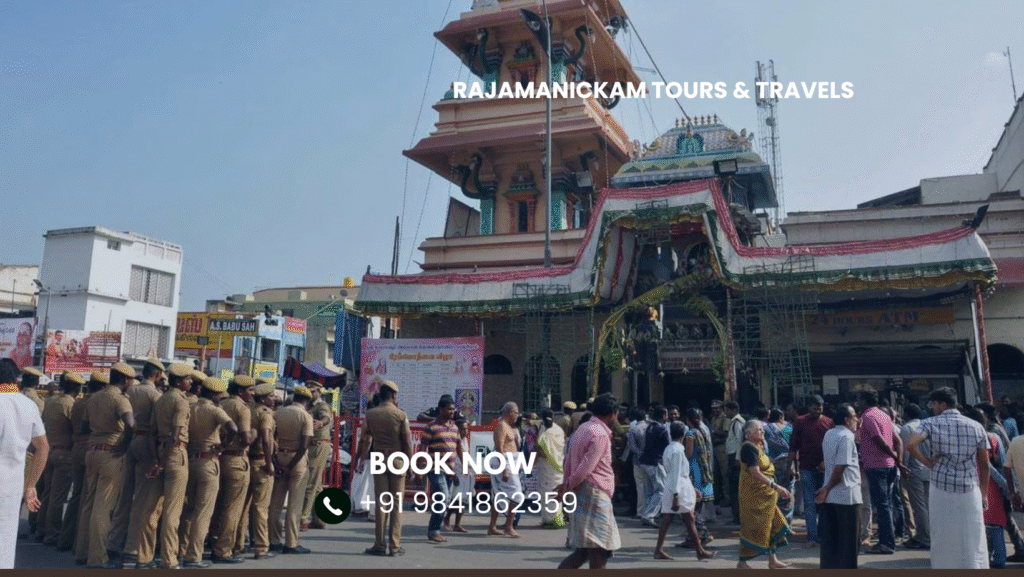
The Sri Kanchi Kamakoti Peetham is one of the most revered and prominent Hindu monastic institutions, traditionally believed to have been established by Adi Shankaracharya in the 8th century CE. It is headquartered in Kanchipuram, a historic and spiritually significant city in the southern Indian state of Tamil Nadu.
Here are key facts about the Sri Kanchi Kamakoti Peetham:
Historical and Spiritual Significance
- According to tradition, Adi Shankaracharya, the great philosopher-saint who unified various Hindu philosophical traditions, established four major mathas (monasteries) at strategic points across India:
- Sringeri (South)
- Dwarka (West)
- Puri (Jyotirmath) (East)
- Badrinath (North)
- Some traditions hold that he also founded the Kanchi Kamakoti Peetham as a fifth matha, dedicated to the worship of Shakthi (the Divine Mother), in the form of Sri Kamakshi, the presiding deity of Kanchipuram.
- Dress Code: Cover your shoulders and legs; many temples provide free unganipot (temple entry) towels.
- Transport: Hire a private car or use local taxis to navigate the short distances efficiently.
- Footwear: Leave your shoes at the temple entrance or carry a small bag to carry them.
- Timings: Most temples are open from 6 AM to 7 PM; confirm with local guides for daily variations.
- Hydration & Snacks: Pack water and light snacks, as you’ll be walking through courtyards and corridors.
Visiting Kanchipuram’s temples in a day is a whirlwind of divine beauty, spiritual serenity, and architectural grandeur. Each temple tells a story, not just of faith, but of the artisans, kings, and devotees who shaped this sacred city. Whether you’re tracing Shiva’s footprints or marveling at Kamakshi’s grace, Kanchipuram promises a journey that transcends time.
So pack your camera, your curiosity, and a heart ready to wander. Kanchipuram awaits to fill your day—and your soul—with its timeless charm.